
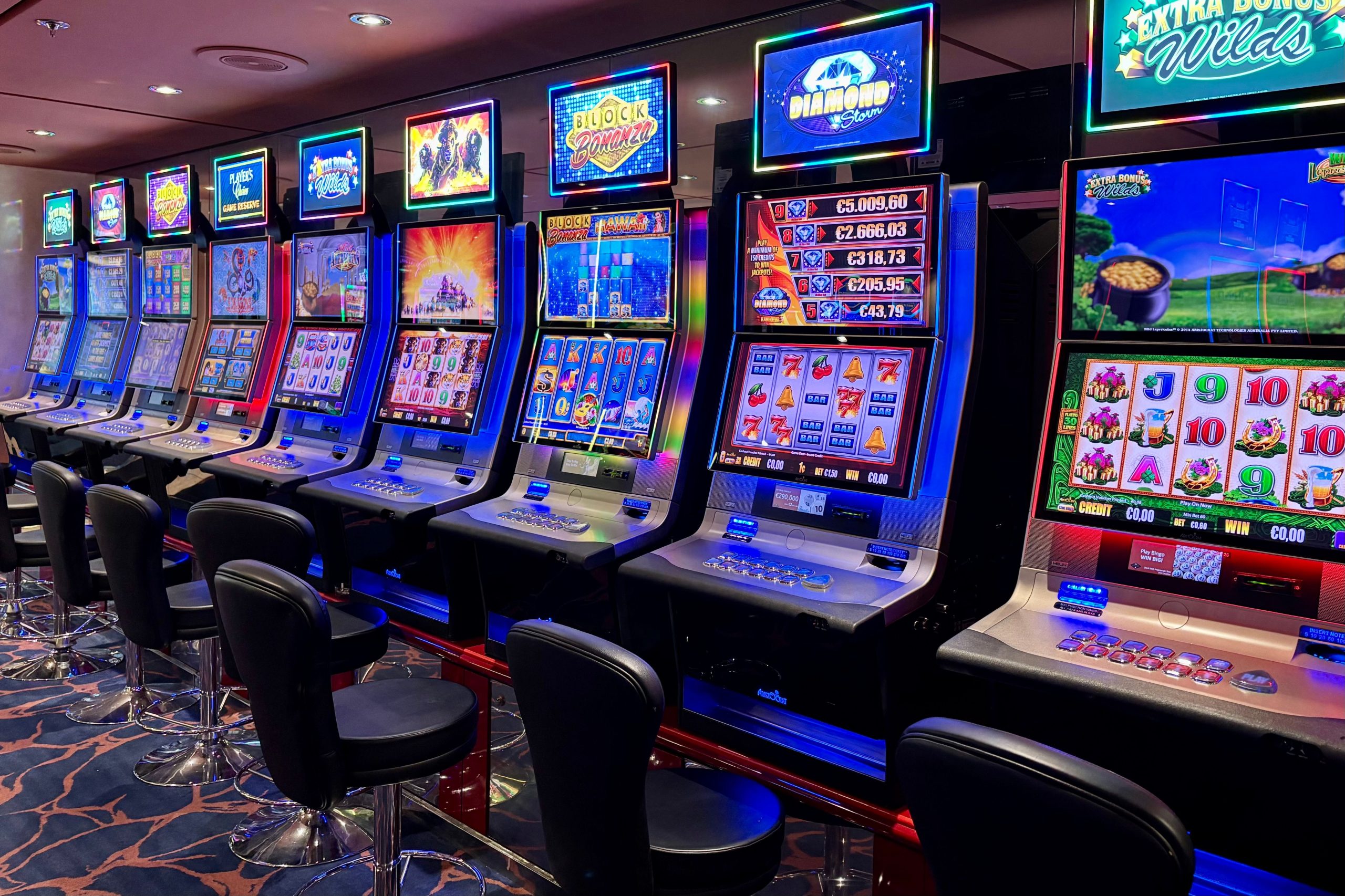
Press spin on a digital reel and the result is already decided before the animation finishes. Behind that moment sits a stack of software that mixes mathematics, engineering and regulation. Understanding how it fits together is the easiest way to separate what is actually happening from the myths about “hot” machines and “due” wins.
How a Digital Pokie Is Built

A modern slot is a software product. Developers write the game logic, which defines the symbols, paylines, bonus triggers and the payout table. Artists and sound designers supply the presentation, and a separate mathematics team models how often each combination should land over millions of spins. These layers are usually kept apart, so a graphics update does not accidentally change the odds.
Before a title reaches players, it is normally examined by an independent testing laboratory. The lab checks that the code does what the paytable says and that the outcomes behave statistically the way the developer declared.
The Random Number Generator
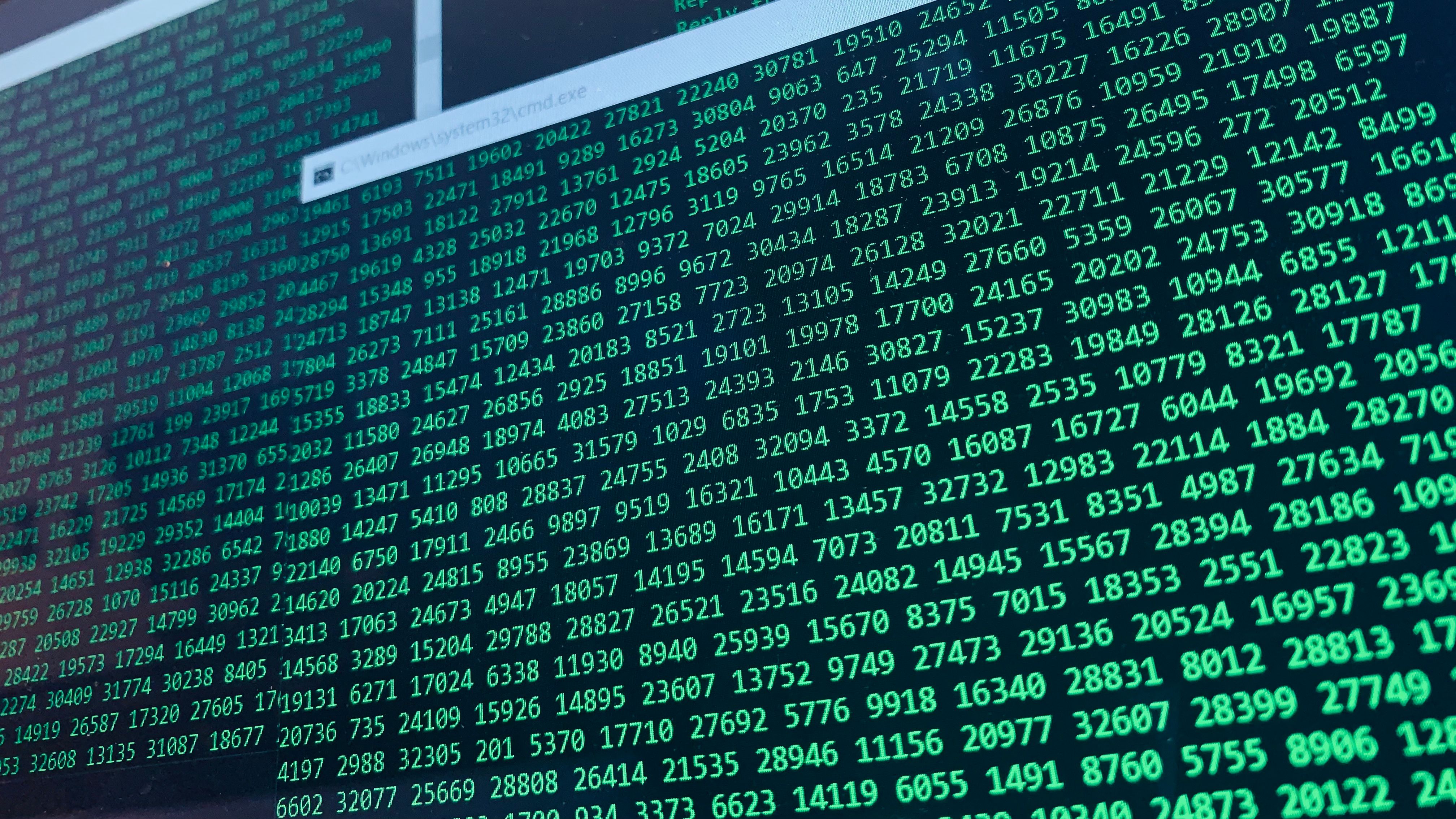
At the core of every digital slot is the random number generator, or RNG. It runs continuously, producing a long stream of values even when nobody is playing. When you press spin, the game takes the value available at that instant and maps it to a set of reel stops. The outcome is effectively fixed at the moment of the press, not when the reels visibly slow down.
Most RNGs are pseudorandom rather than truly random. They start from a seed drawn from an unpredictable source and then run a deterministic algorithm to produce the sequence. The design and validation of these generators is covered in detail by the US National Institute of Standards and Technology in NIST Special Publication 800-90A, which sets out the mechanisms widely used for secure random bit generation.
Because each spin is independent, a machine that has just paid out carries no memory of it. A long dry spell therefore tells you nothing about the next result. Comparison sites such as Crazyvegas, which group platforms and their game libraries side by side, can make it easier to browse online pokies before you commit to anything.
RTP, Volatility and the Maths Behind Payouts
Return to player, or RTP, is the percentage of wagers a game is designed to return over a very large number of spins. A game with a 96 percent RTP is modelled to return about 96 cents for every dollar wagered in the long run. It says nothing about the next hour. A feature article from UK licensing authorities explains why RTP is always quoted as an average, and how fully random games take far longer than compensated games to settle at their stated figure.
Volatility describes how those payouts are spread. Low-volatility games tend to pay smaller wins more often, while high-volatility games pay less frequently but deliver bigger peaks. Two titles with identical RTP can feel completely different to play for this reason alone.
Reels, Graphics and Bonus Features

Once the RNG has settled the outcome, the game engine turns it into an animation. Reels spin, symbols stop and the software checks the result against the paytable. Bonus features such as free spins, multipliers, cascading symbols and pick-and-win rounds are layered on top, each with its own trigger rules and probability weighting.
Graphics and sound do not decide anything. They present the result, which is why a flashy near miss is a visual effect rather than a sign that a win is close. Many titles also use a virtual reel model, where the visible reel is backed by a table of stops in software, so the probability of a symbol can be set independently of how often it appears to be on the strip.
Testing, Certification and Fair Play
Independent labs such as eCOGRA, GLI and iTech Labs examine RNG code, statistical output and payout figures before a game is approved. A certificate covers the specific build that was tested, so meaningful updates normally require re-testing. Some operators also offer provably fair systems that let a player verify an individual round, although this is less common in mainstream pokies.
Certification checks the system. It does not change the house edge, and it does not guarantee that any particular session will be profitable.
Regulation and What It Means for Australian Players
Rules for online gambling vary sharply between countries. In Australia, the Interactive Gambling Act 2001 restricts online casino services, including pokie-style games, from being offered to people in the country, and the regulator enforces those restrictions. Check the current legal position before signing up to any platform, and remember that offshore operators may not offer the same protections as locally licensed services.
Whatever the technology looks like on screen, the maths is built to favour the operator over time. Set a budget before you play, treat losses as the cost of entertainment and take regular breaks. Free, confidential support is available in Australia from Gambling Help Online on 1800 858 858.
Frequently Asked Questions
Is the result of a digital slot spin truly random?
The outcome is produced by a pseudorandom number generator that is seeded from an unpredictable source and then tested for statistical randomness. For players, the result is independent of previous spins.
Does a high RTP guarantee a win?
No. RTP is a long-run average across a very large number of spins. It does not promise any return in a single session, and a high RTP game can still produce long losing runs.
Why do independent certificates matter?
A certificate from an independent lab shows that the RNG and payout figures were tested against recognised standards for that specific build. It is a check on the system rather than a guarantee of winnings.
The short version is that a digital pokie is a random number generator wrapped in a payout table, supported by careful design and independent testing. Knowing where each part fits lets you judge a game on its actual mechanics rather than on folklore about streaks and timing.