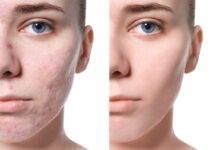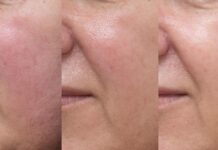

Melasma is a skin condition that affects many individuals, especially those with active lifestyles and higher sun exposure. Dark patches often appear on the cheeks, forehead, upper lip, or chin, and these uneven areas can make the complexion look dull or tired.
Many people try creams and home remedies, only to find that the dark spots either return or become more noticeable. Because melasma is influenced by several factors such as hormones, UV exposure, and heat, professional assessment is often needed to achieve meaningful results.
Dermatology experts use targeted strategies that help fade pigmentation safely and gradually while strengthening the skin barrier.
Understanding the Causes of Melasma
For patients looking for the best melasma clinic Singapore, dermatologists first evaluate how deep and widespread the pigmentation is. Melasma can occur in the epidermis, dermis, or both layers, and knowing the type helps determine the right treatment. Sun exposure is one of the strongest triggers.
UV light stimulates melanocytes, making dark patches appear darker and more persistent. Hormonal fluctuations, such as pregnancy or birth control use, can also cause melasma to develop or worsen. Heat from cooking, workouts, and outdoor activities sometimes triggers flare ups as well.
Genetics plays a role too. Some people naturally have more active pigment cells that produce excess melanin when irritated. Even stress and lack of sleep can influence the condition. Since melasma is often long term, professional guidance helps reduce its intensity while preventing new patches from forming.
A dermatologist also examines lifestyle habits, skincare routines, and environmental exposure to create a tailored plan.

What Clinics Commonly Use to Fade Melasma
Dermatology clinics use a combination of treatments to fade melasma because a single method usually cannot address all causes. Most clinics combine topical medications, lasers, and chemical peels to gradually lighten pigmentation. The goal is to regulate melanin production, encourage skin renewal, and protect the skin from further damage.
Topical creams may include ingredients like azelaic acid, retinoids, or hydroquinone. These help slow melanin formation, lighten dark spots, and improve cell turnover. When used correctly under a doctor’s supervision, these formulas can significantly reduce surface pigmentation. Clinics often alternate products to prevent irritation and maximize results.
Chemical peels offer another option. Mild to moderate peels exfoliate the upper layers of skin, removing damaged cells and revealing brighter skin underneath. They can help fade superficial pigmentation while smoothing rough texture. Treatment strength depends on how sensitive the skin is and how deep the melasma sits.
Laser therapy is considered one of the more advanced options. Gentle pigment focused lasers break down melanin particles without damaging surrounding skin. These treatments encourage gradual fading while stimulating collagen production. Several sessions are usually needed, and proper aftercare is important to prevent rebound pigmentation. Dermatologists carefully adjust the settings to match skin tone and melasma depth, ensuring safety and effectiveness.
Many clinics also incorporate oral supplements that contain antioxidants. These support the skin from within, reduce oxidative stress, and help prevent future pigmentation. When combined with topical care and in clinic treatments, these supplements can enhance overall results.
Supporting Results With Daily Habits
Daily habits influence how well melasma treatments work. Sun protection is the most essential part of long term management. Applying broad spectrum sunscreen every morning prevents UV rays from darkening existing patches. Reapplying during outdoor activities helps maintain skin stability.
Using gentle skincare products also supports results. Harsh exfoliants, strong fragrances, and aggressive scrubbing can irritate the skin and trigger pigmentation. Patients benefit from soothing cleansers, hydrating creams, and antioxidants like vitamin C. These ingredients help strengthen the skin barrier and reduce inflammation.
Lifestyle adjustments matter as well. Wearing hats, minimizing outdoor activities during peak sunlight hours, and managing stress all help reduce flare ups. People who stay consistent with professional care and daily routines tend to experience more stable and long lasting improvements.

When to Seek Professional Help
You may need to visit a dermatologist if you experience:
- Dark patches that continue to deepen or spread
- Pigmentation that does not improve with home remedies
- Sensitivity or irritation from using over the counter lightening products
- Frequent flare ups triggered by sunlight or heat
- A desire for safe, guided treatments supervised by a skin expert
Early evaluation helps prevent melasma from becoming more stubborn and harder to treat. Dermatologists provide solutions that match your skin type and lifestyle, making treatment safer and more effective.
A Clearer Path to Even Skin Tone
Professional melasma treatments offer a structured approach that helps fade dark patches without damaging the skin. With the right combination of topical care, laser therapy, and chemical peels, patients notice gradual improvements and a more even complexion. Clinics design treatment plans based on the severity of pigmentation, skin sensitivity, and lifestyle habits. Most patients see the best results when they follow both in clinic sessions and dermatologist approved home routines.
Persistence is key because melasma tends to fluctuate. Consistent treatment and steady lifestyle habits help maintain clearer skin. Dermatologists also monitor progress and adjust plans as needed to ensure long lasting improvement.

Commonly Asked Questions
What causes melasma to worsen over time?
Melasma often worsens with sun exposure, hormonal changes, heat, and skin irritation. Without proper protection and guided care, dark patches may become more noticeable.
How long does it take to see results from professional treatments?
Some patients notice subtle improvements within a few weeks, while deeper pigmentation may take several months. Consistency with treatment sessions and aftercare influences how quickly results appear.
Are laser treatments suitable for all skin tones?
Modern lasers can be adjusted for various skin tones. A dermatologist evaluates the skin first to determine safe and effective laser settings.
Can melasma return after successful treatment?
Melasma can return if the skin is exposed to strong triggers such as UV rays or hormonal fluctuations. Sun protection and ongoing maintenance reduce the chances of recurrence.
Are at home lightening products effective?
Some at home products may help with mild pigmentation, but melasma usually requires professional guidance for significant improvement. Incorrect use of strong products may worsen the condition.
Next Steps
Begin by consulting a dermatologist who can assess your skin and recommend an effective plan based on your melasma type. Combining professional treatments with proper sun protection, gentle skincare, and consistent daily habits offers the best long term results for fading dark patches and maintaining a more even complexion.